





Thermal labels - types and composition
Thermal labels are available in a wide range. The high demand for this type of product is driven by its quality and versatility across various industries, including manufacturing, logistics, and retail.
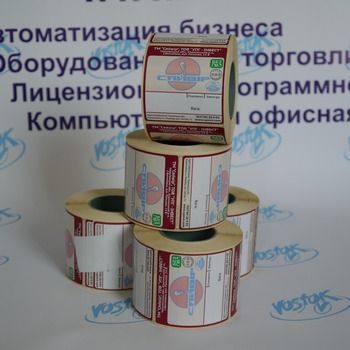
In weighing scales with receipt printing, a thermal label is often referred to as a “thermal receipt label”. It is commonly used in shops and supermarkets. Such labels contain information about the product name, weight, date, and time of purchase. In industry and logistics, thermal labels are used for marking various types of cargo. In the pharmaceutical sector, they are applied to medicines, vitamins, and other medical products. In addition, labels can be used for marking audio, video, and computer equipment. In the automotive industry, self-adhesive labels are applied to containers with brake fluid, coolant, antifreeze, etc. Thermal labels attract customer attention to specific products and often serve a promotional function. They also provide customers with clear and accessible product information. Therefore, thermal labels are a simple and cost-effective solution for product identification.
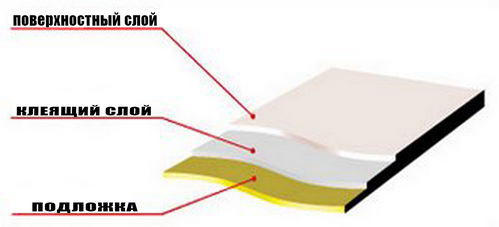
What does a thermal label consist of? Firstly, the main component is the face material (thermal paper). Secondly, adhesive. Thirdly, a release liner (waxed backing) on which the label is mounted.
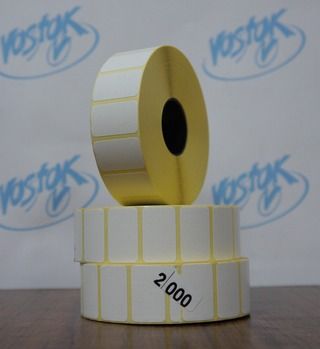
Thermal labels TOP vs ECO — what is the difference? ECO thermal labels are white labels made from thermal paper and supplied in rolls. Printing is performed by direct heating using the printer’s thermal printhead. These labels are sensitive to high temperatures (paper may yellow and the image fades) and moisture (condensation may blur the print). Their typical lifespan is up to one year when used at room temperature. ECO thermal labels are mainly used in applications where labeling occurs immediately before sale. TOP thermal labels are resistant to smudging, water, grease, and oil. They are coated with a protective layer that prevents damage from moisture and mechanical impact.
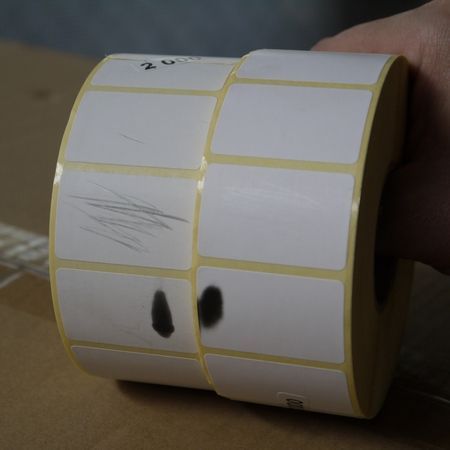
How to distinguish ECO from TOP thermal labels? TOP labels have an additional protective layer, making them resistant to minor mechanical damage. A simple test: scratch the surface with a fingernail — ECO labels will show a mark, while TOP labels will not.
TOP labels are specifically designed for use in humid environments and at low temperatures. Thermal labels with TOP coating are commonly used for products that will be transported, frozen, or stored for extended periods, such as fish, meat, and other food products.
At Vostok, you can always buy thermal labels in a wide assortment.